Product Design / UX Research / AR Concept
Spaces
Making Distance Feel a Little Smaller
Exploring how augmented reality and creative expression can bring people closer, even when they're apart.
- Project type
- 2024 · Cornell University · Team project
- Status
- Concept prototype
- My role
- Product Design & UX Research (team project)
- Team
- 5 designers
- Methods
- User interviews, journey mapping, prototyping, usability testing
- Tools
- Figma, FigJam
- Timeline
- 2024
The result
A tested concept and high-fidelity prototype — not a launched AR app.
The challenge
Feeling connected is more than staying in touch.
People who make things often make them for someone. But the feeling behind a drawing, a song or a photo is hard to get across, especially to friends and family who live far away. Texts and calls keep people in touch; they don't always carry how you actually feel.
Understanding the users
From conversations to insights.
We interviewed people about creating and sharing, then sorted what we heard in an affinity diagram and a journey map. The pattern pointed us away from tools for making art and toward ways to share feeling.
Emotional expression
Meaning gets lost
People wanted others to understand the emotion behind their work, not just see it.
Physical distance
Distance adds a gap
Being far from loved ones made it harder to share moments and feel understood.
Personal communication
Personal beats generic
Expression felt more meaningful when it reflected the person and the relationship.
From research to concept
Exploring ways to make connection tangible.
We explored several ways to share creative expression together, including a collaborative art prompt and a memory-based game, before landing on a shared AR space.
01
Research
Interviews, affinity mapping and journey maps.
02
Ideation
Competing concepts for shared creative expression.
03
Storyboarding
Sketching the moment someone wants to be understood.
04
Concept selection
Mood characters in a shared AR space.
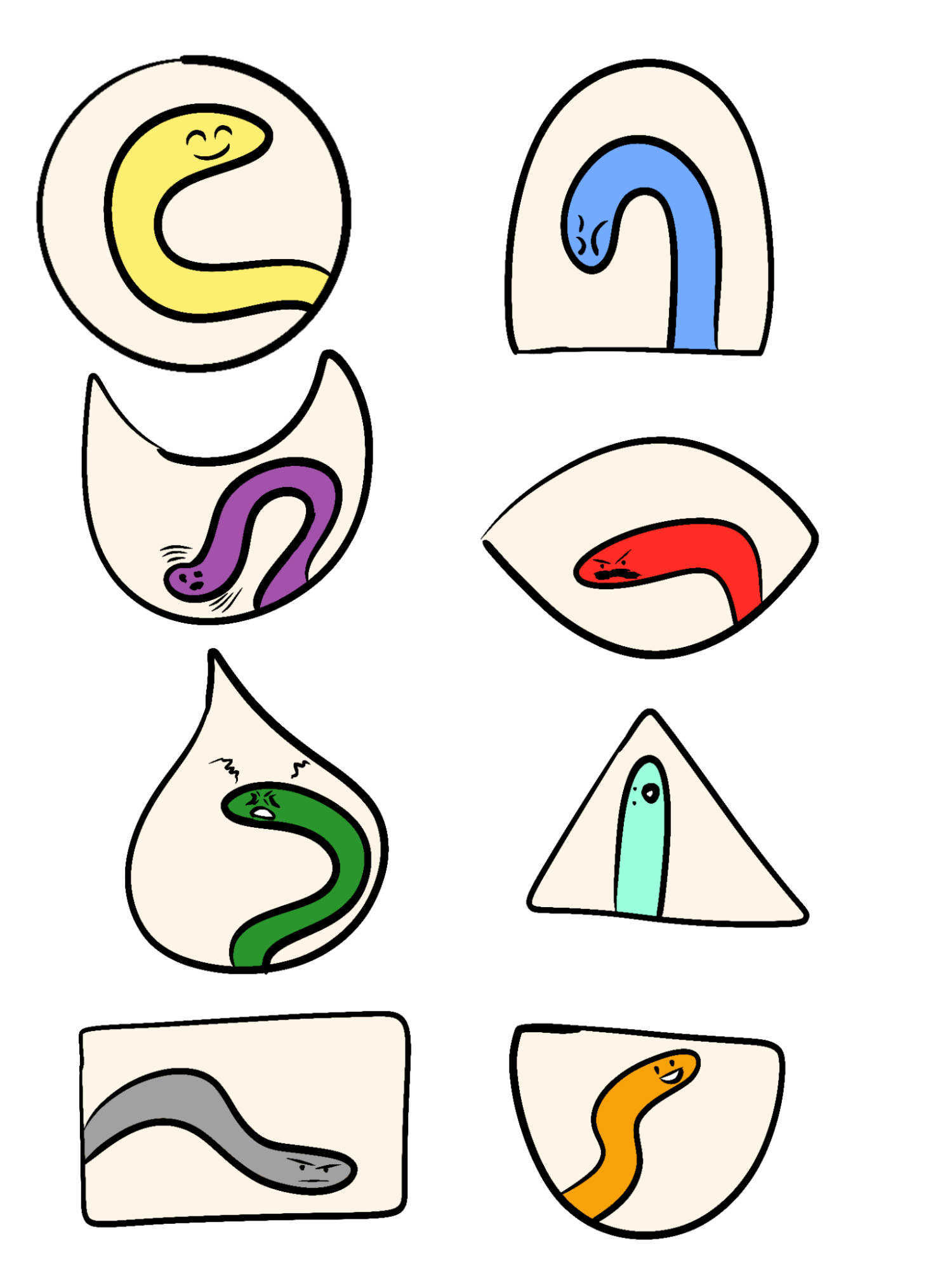
Meet the mood characters
Giving feelings a visual language.
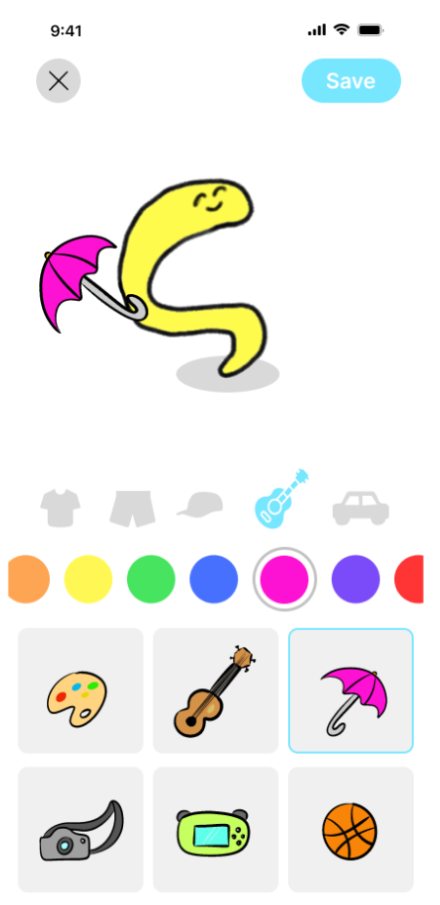
Users select characters that represent their emotional state, making it easier to communicate feelings without having to put everything into words.
Personalization
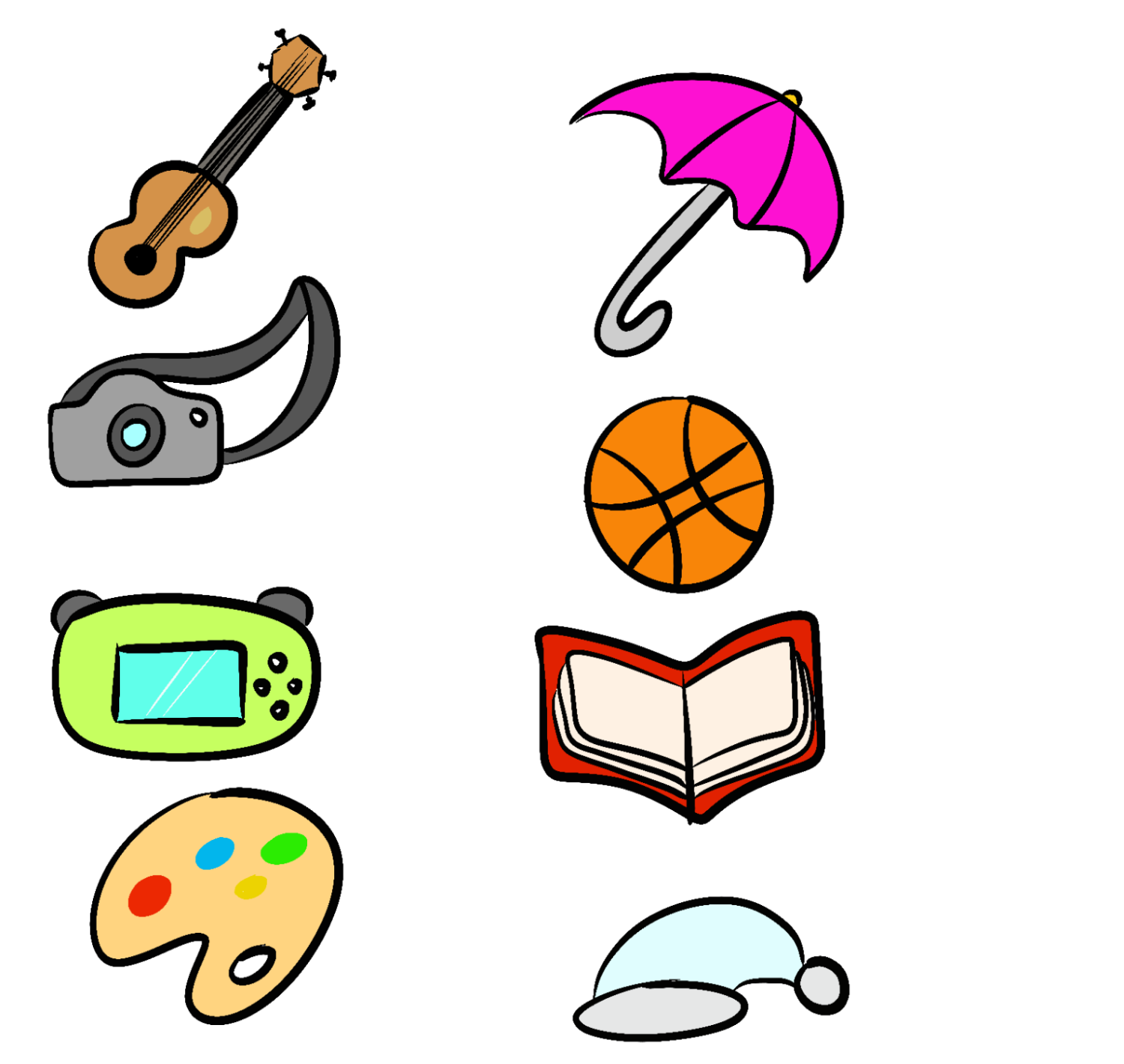
Small things that make it yours.
Accessories like a ukulele, a camera, a paint palette or a sleepy hat give each character more individuality, so a mood also says something about the person behind it.
Prototyping with real users
Testing the experience before building it.
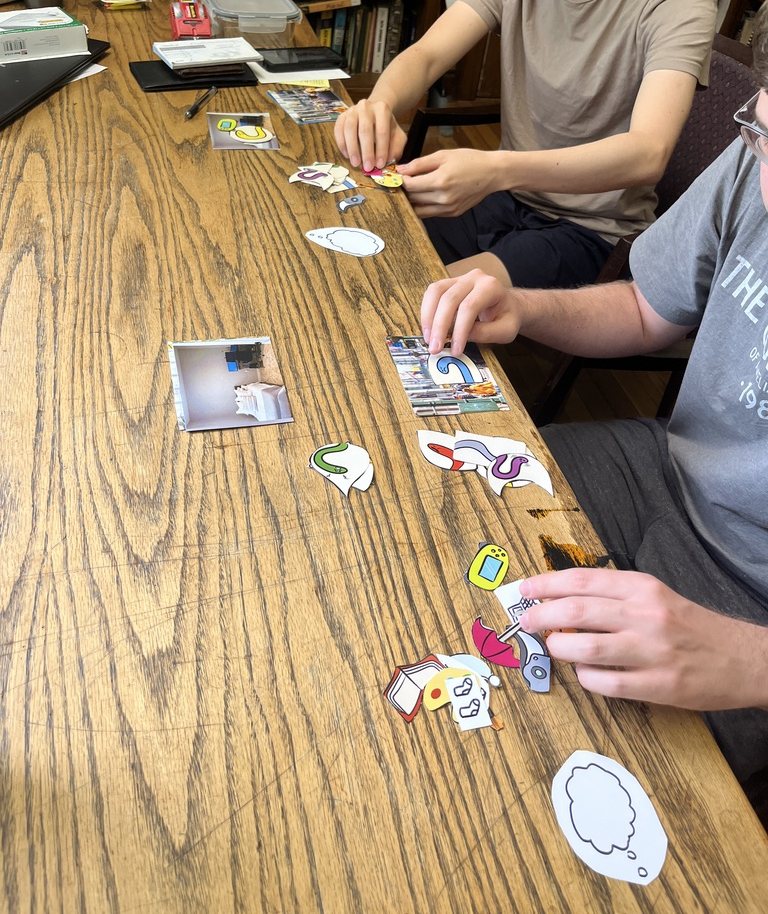
We used paper characters, accessories and room photos to simulate Spaces. Participants picked pieces to express how they felt and shared the composition with a partner. We were testing whether they could express their emotions, whether partners understood the meaning, whether it encouraged connection, and whether customization felt intuitive.
01 · Paper prototyping
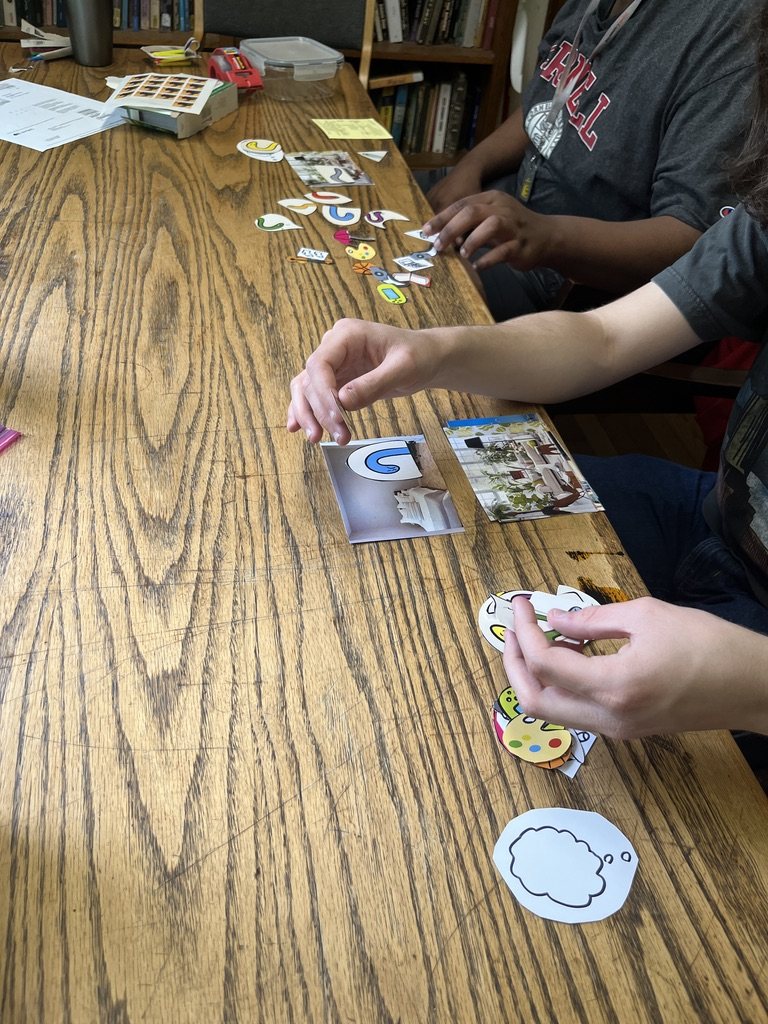
02 · User evaluation · Testing nonverbal expression
What we learned
Small design decisions made expression more personal.

More personalization
Expanded the options
Users wanted more ways to represent their emotions and personalities, so we expanded the accessories and customization choices.
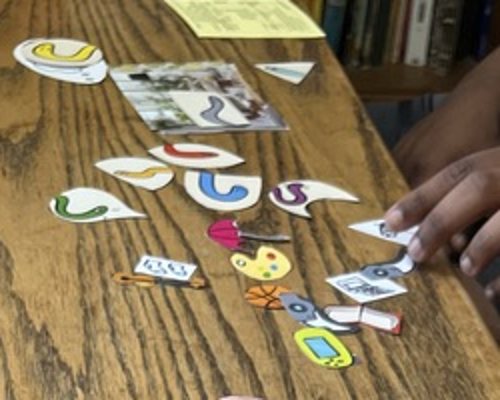
Clearer visual communication
Make objects easy to read
Some objects were hard for participants to identify. We marked clearer labels and more recognizable imagery as next improvements.
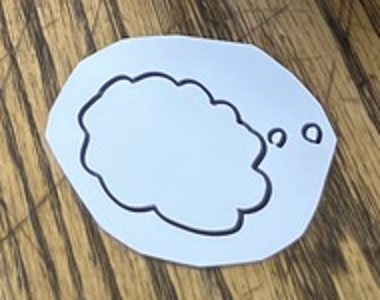
More emotional depth
Room for inner feelings
Participants wanted to share feelings that aren't always visible, so we added optional thought bubbles alongside outward expression.
The final experience
A creative space to share how you feel.
Concept prototype · not a launched app
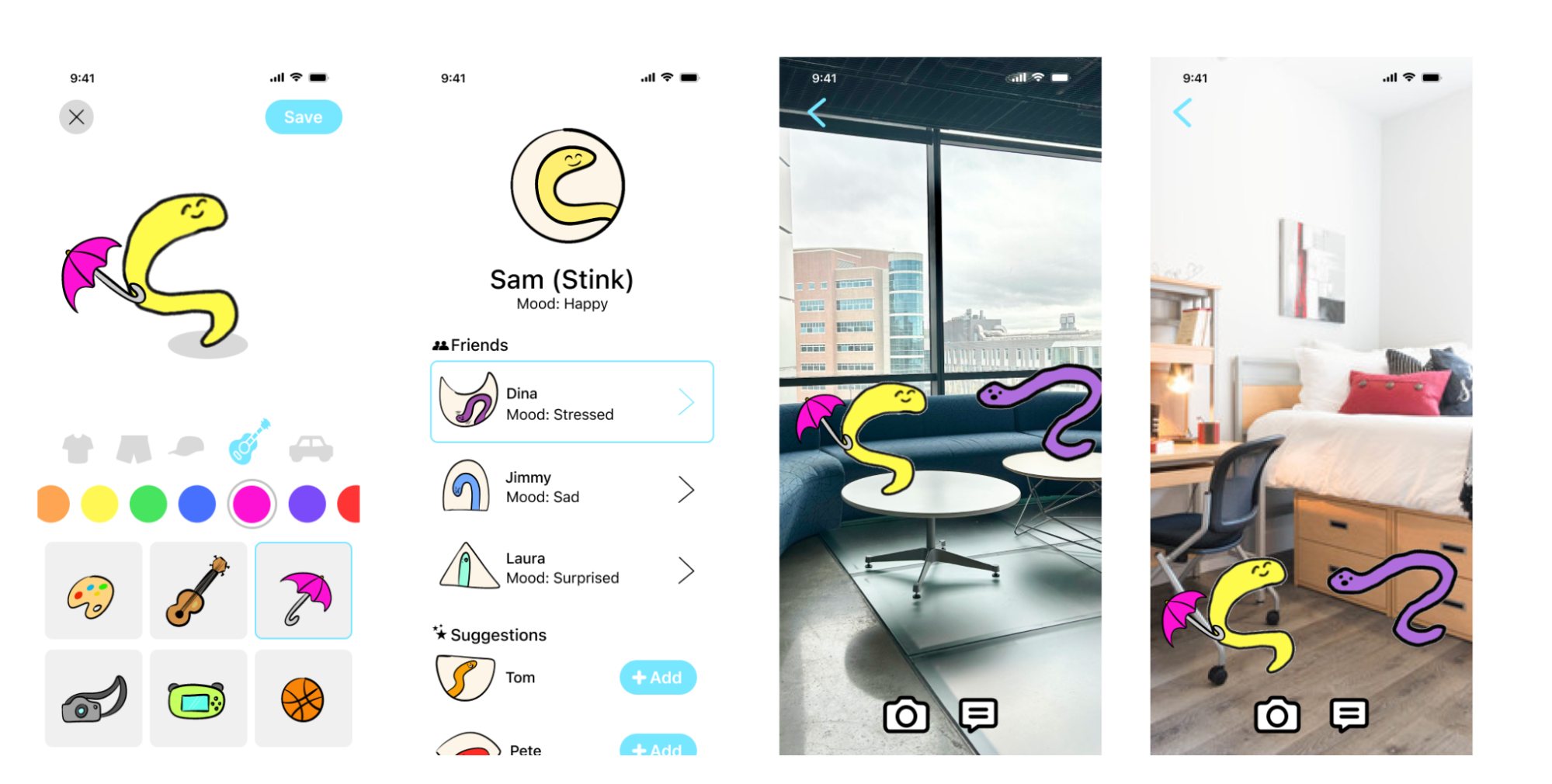
01 · Customize your mood character
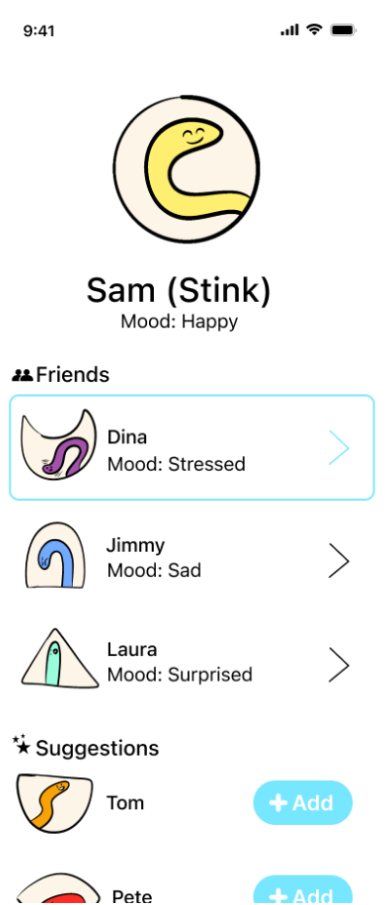
02 · Explore friends' emotional updates
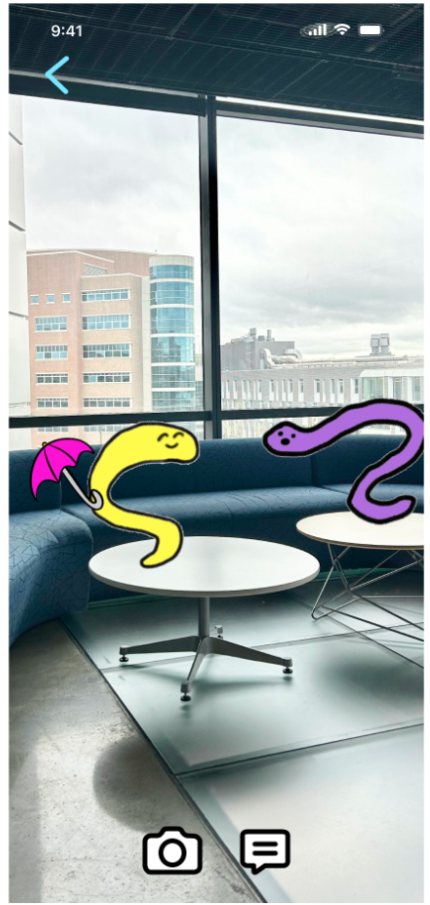
03 · Enter a shared virtual environment
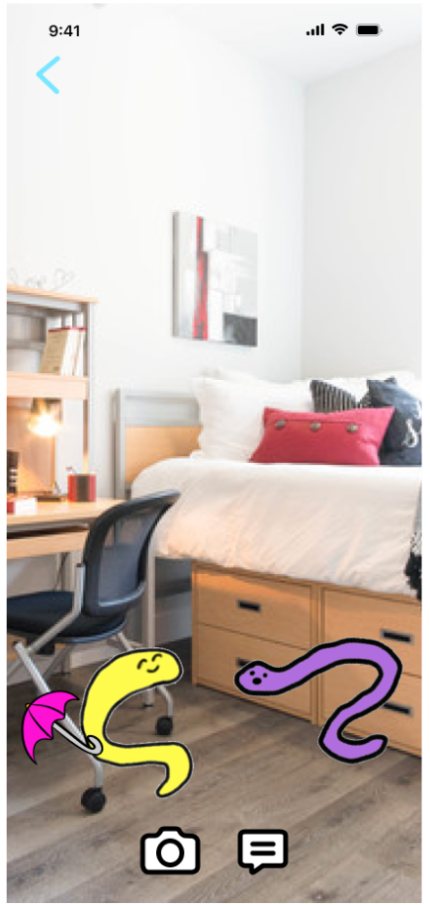
04 · Decorate spaces to connect
Reflection
Designing for connection, not just interaction.
- What was built
- A tested paper prototype and high-fidelity Figma screens for a concept. Spaces was not built or launched as an AR app.
- Evidence
- Research showed the importance of visual communication, self-expression and familiarity between people. Testing suggested playful, personalized interactions can carry feelings that ordinary messages don't.
- Limitations
- Paper testing can't capture real AR. The concept still has to balance creativity and usability against how complex AR is to build.
What I'd measure next
- Validate the emotional value before investing in complex AR
- Test clearer labels and imagery for accessories
- See whether thought bubbles help partners read inner feelings
Next project
Magic Markdown
Making note-taking smarter with AI.
Open to Product · Product Design · UX Research · Tech roles